Over the last couple of weeks, I’ve tried HelloFresh for dinner. Overall, I like the service… everything is pre-portioned, and you can make substitutions. There are some pieces I could see doing again, maybe putting my own spin on them. I’ve mentioned my dairy sensitivity before – this makes it easy to choose meals that are safe for me, too.
After this next delivery, I’ll also be getting a free Zwilling Four Star 8-Inch Chef’s Knife! If you want a link where we both get freebies, let me know, and I’m happy to send one.
Fun fact… when I was in the second grade, I became obsessed with the U.S. Presidents. I had books, a puzzle, memorized facts… you name it. My teacher would hold challenges for who could memorize all 40 (at that time) presidents, and I won! It came down to me and someone who would actually end up working in the government for governors, senators, and the like.
So that’s why I think I’ve been super into this YouTube show, Cookin’ with Congress. Not only does the show feature meals eaten by congresspeople from each district, but it has also expanded to include First Ladies, congressional district constituents, and, most importantly, Presidents. Anyway, check out Big Steve’s meals in the latest video.
I had a friend over for dinner and made a bunch of food from scratch, and 100% vegan. All of the recipes are linked below. I didn’t take a single picture.
Hey, have you watched The Bear? I started watching it shortly after it premiered last year and was hooked right away.
The music alone was enough to sell me! It’s stacked with artists I’ve seen live; Wilco, Brian Wilson, The Decemberists, Pixies, R.E.M., Van Morrison, The Psychedelic Furs, and Smashing Pumpkins (and plenty more I haven’t had the pleasure of seeing). If you have a show with multiple songs by The Replacements in a single episode, that’s reason enough for me to watch.
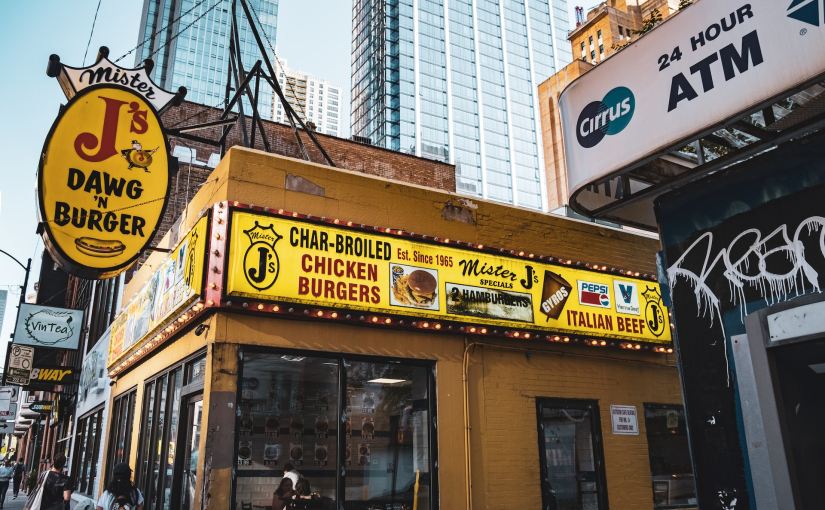
But it’s not just the music. While I’ll say the first couple of episodes are a little repetitive, by mid season 1 you could tell this show was headed away from the expected. Filming in a real Italian beef shop in Chicago was a nice touch – the creator of the show grew up with the owner of Mr. Beef. While Marty Mathewson is a lot in real life (or at least what I’ve seen on YouTube), he’s a welcome addition to the show.
Season 2 changes this up a bit and the frequent “yes chef” exclamation feels more at home. The Christmas episode of Season 2 pretty much had my jaw on the floor from the casting. If I were to make a list of 20 people I’d want to see guest star on a show, about half of them are in that one episode.
Anyway, check it out on Hulu if you haven’t had a chance!
This is one of those meals I’ve been cooking for decades. I’ve served it at birthday parties, made it when I’ve randomly had the ingredients sitting around, etc. Since I’m made this last night, I thought I’d post the recipe.
9 tbsp chunky peanut butter (or smooth topped with peanuts)
6 tbsp honey
6 tbsp water
4.5 tbsp soy sauce
4.5 tbsp sesame oil
4.5 tbsp rice wine (i.e mirin, sake)
4.5 tbsp white vinegar*
2.25 tsp garlic cloves, chopped
2.25 tsp grated ginger
1 tsp crushed red pepper
.75 to 1 lbs spaghetti or linguine
Chicken breast (optional)
Directions
Cook pasta following the instructions on the package
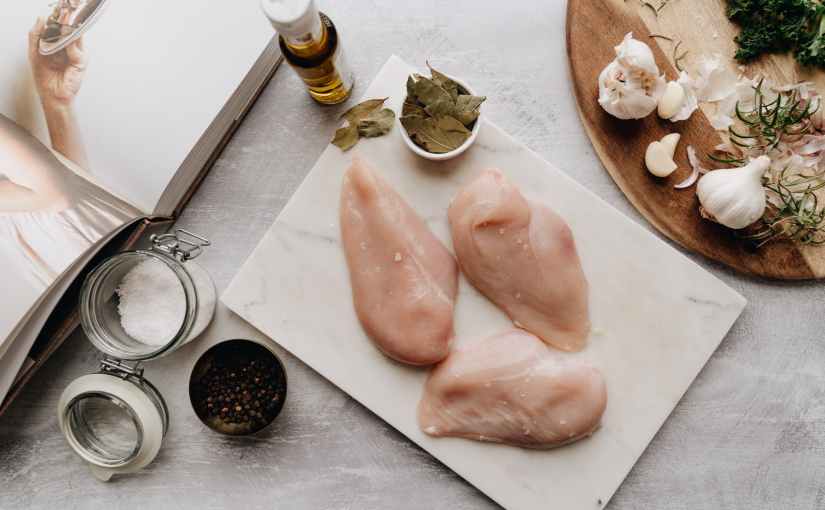
Cut chicken into smaller pieces and cook in neutral oil
Combine honey, water, soy sauce, sesame oil, rice wine, vinegar, garlic, and ginger in a medium saucepan and heat on low until combined
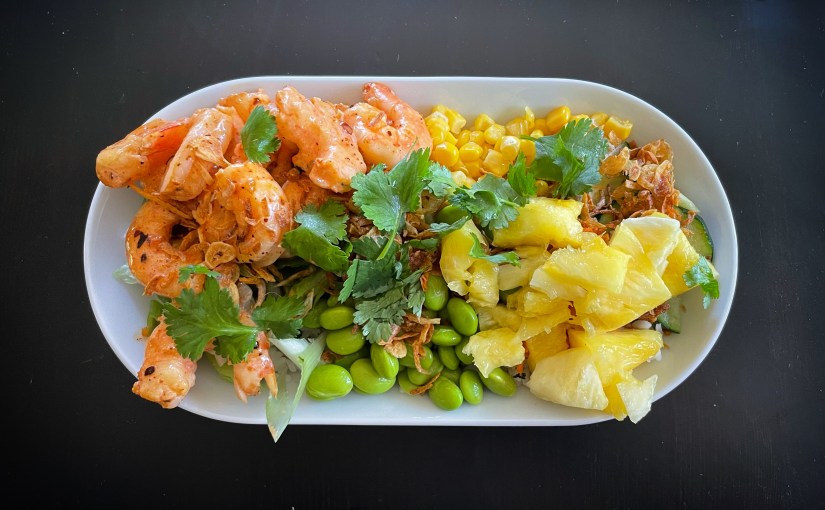
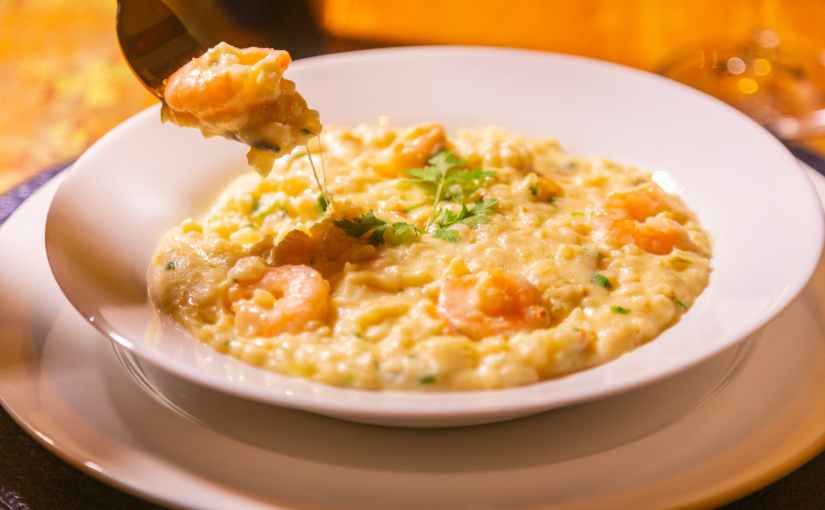
I’ve been on a risotto kick lately and for a good reason… I find I often have seemingly random ingredients on hand these days. Dried mushrooms? Toss ’em in! Some cooked chicken thighs? Great, add it! Leftover bacon from breakfast? Perfect! Shrimp in freezer? Why not!
I’ve actually pulled elements from each of these recipes and made my own combinations. It (almost) always works!
Taking inspiration from my last post about Korean food in movies and my love for our local Korean place, N to Tail, I decided to try my hand at making some Korean dishes. I was pretty pleased with the results (though I didn’t get a good photo).
I’ve been on a bit of a kick lately with Korean food, TV, and movies. Interestingly, food plays a major role in most of the Korean films I’ve seen.
The original Oldboy is the first Korean movie I remember seeing years ago. The lead actor famously eats a live octopus – something he did four times. Second, mandu (Korean dumplings) play heavily into the plot.
Even Joon-Ho’s The Host features food fairly heavily. The main family owns a small river-side food shack, selling beer and grilled squid. Instant ramen is seen a few times; from an empty container being used as a piggy bank to the means of showing family bonds. I wouldn’t exactly call the movie, uhm, appetizing.
You probably don’t think about food first with Snowpiercer, but thinking back – it’s a huge part of the Bong Joon-Ho flick. The poor people of the back of the train with protein bars and the “balance” that’s maintained in the other sections with sushi, steak, etc.
From the main family’s food struggles, to a housekeeper’s food allergies; food is seen throughout Bong Joon-Ho’s Parasite. The best known food from the movie is ram-don, a mixture of jajangmyeon and jjampong topped with expensive steak. The name, ram-don, was a creation for the film and is usually called jjapaguri. But similar to his earlier movie The Host, food, and the struggle to get it, is a symbol for family.
Lastly, Squid Game, features a few instances of food, the most well known of which is dalonga. But, like some of the other films above, steak is again used a symbol of wealth and success.
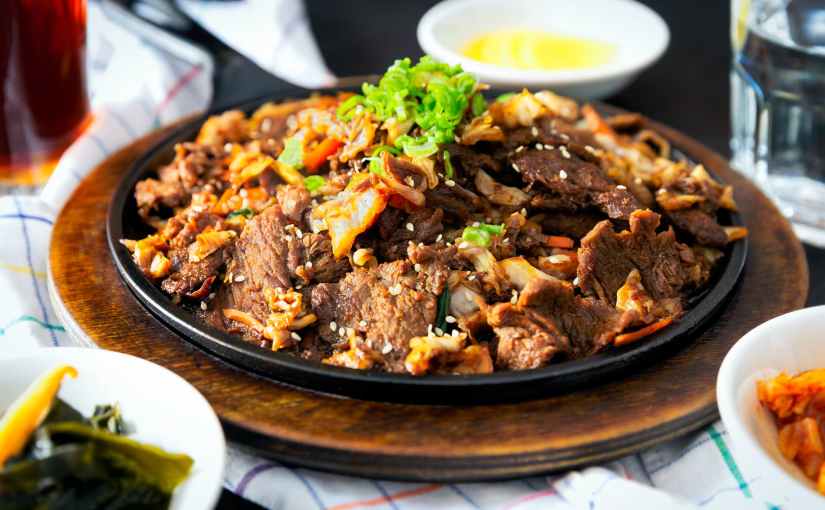
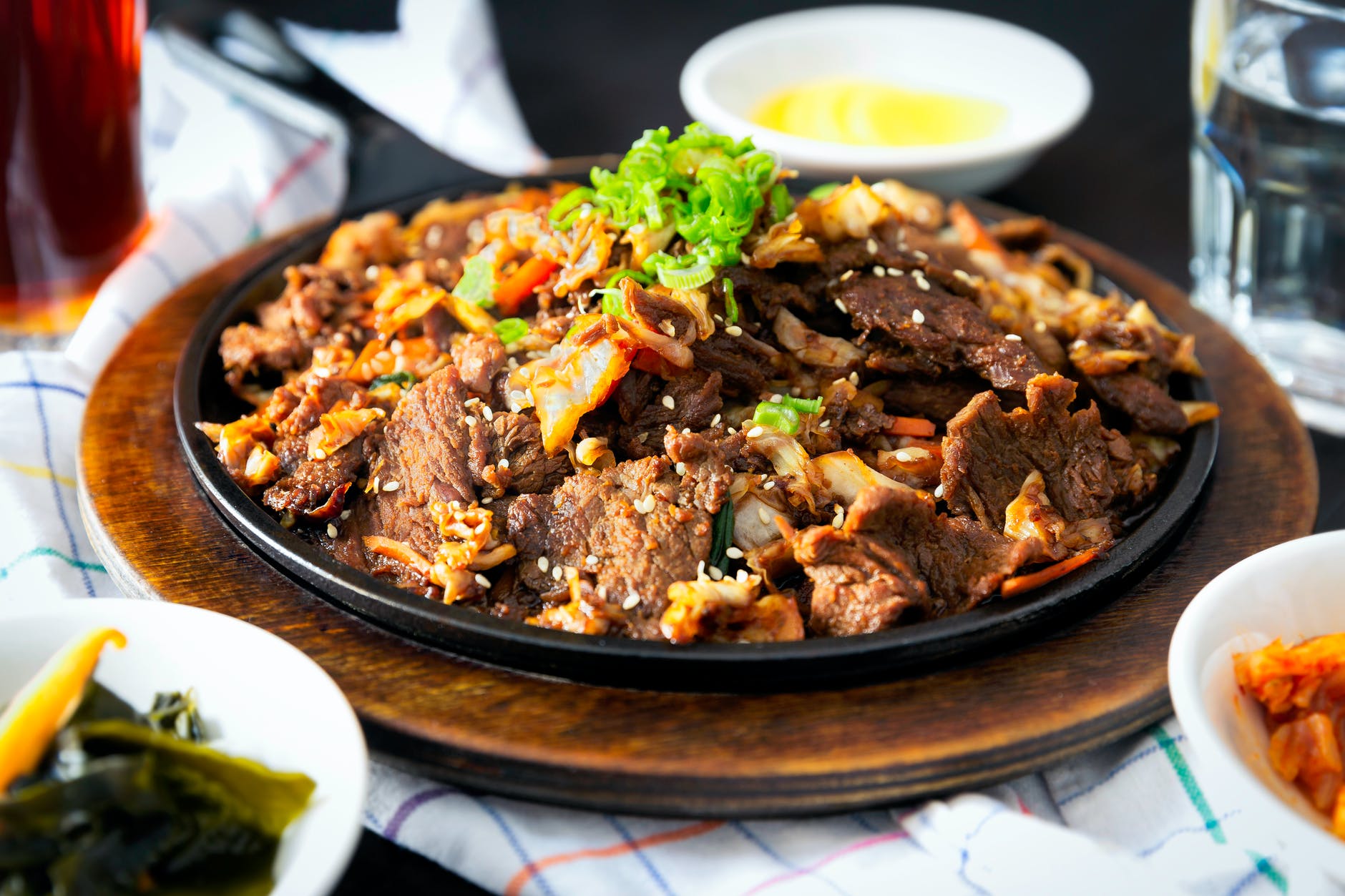
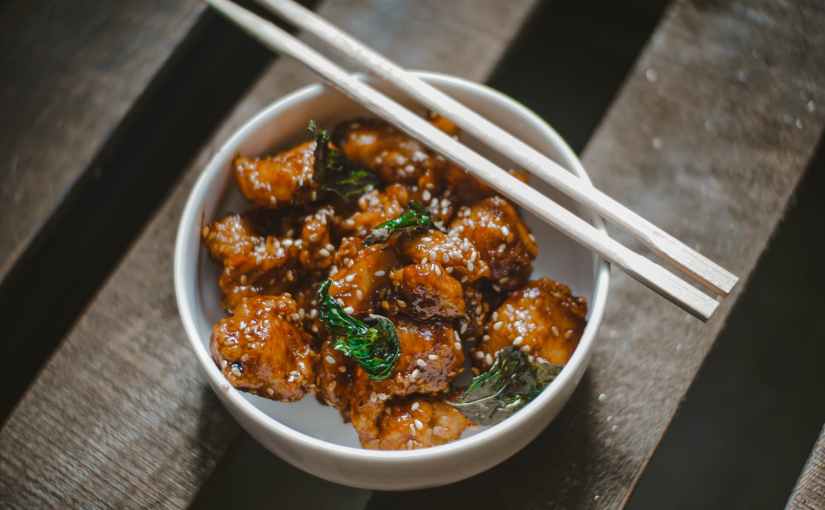
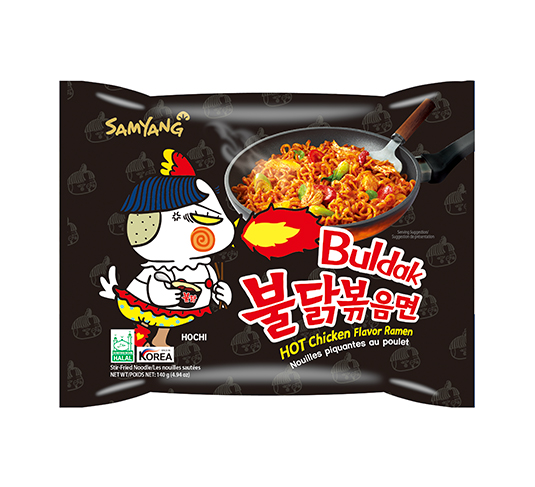
Thankfully, I have a great Korean restaurant here in Portland, Maine called N-to-Tail. I’ve been able to sample bulgogi, Korean fried chicken, kimchi pancakes, and more. At home I’ve been making Buldak spicy ramen by Samyang. My “recipe” of late has been to toss in some kewpie, chicken, and egg, and a vegetable. While not as as good as N-to-nail, Bibigo offers frozen Korean fried chicken, mandu, kimchi fried rice, and more.


 Stephen Quirk